


NBG Governor Turnava: Strong lari backed by surging foreign currency inflows and improving external position
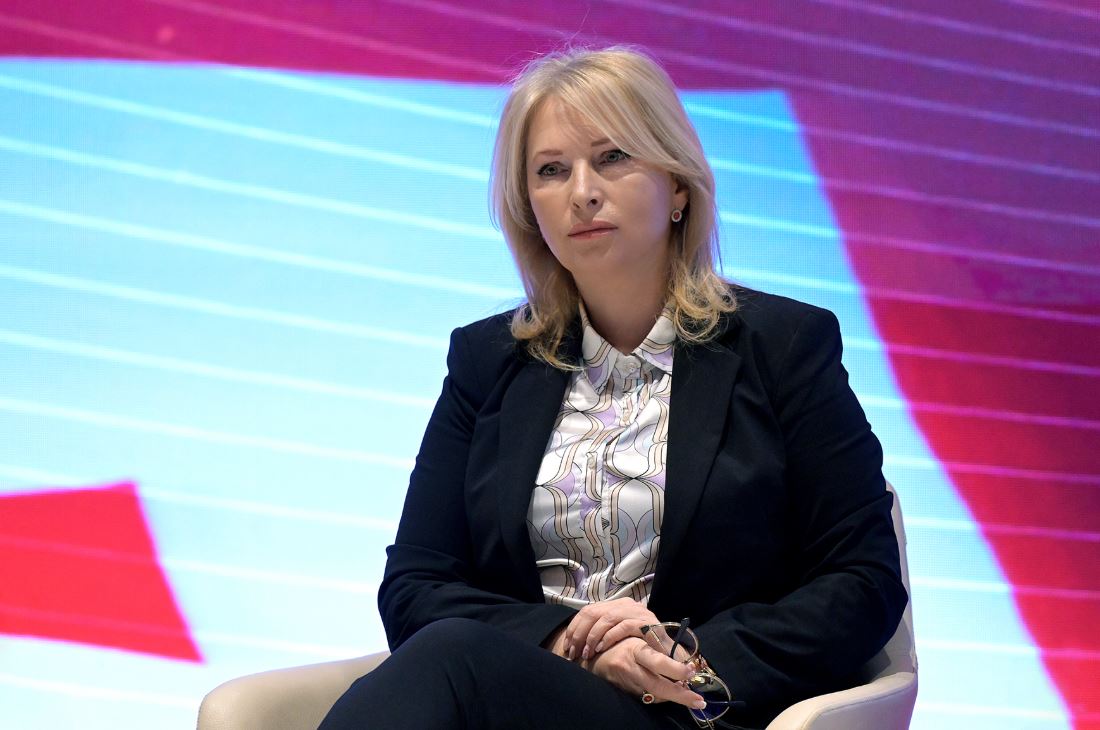
“The ongoing resilience of the Georgian lari is anchored primarily by an improving external position and robust foreign currency inflows,” National Bank of Georgia (NBG) Governor Natia Turnava stated in Parliament during discussions on the draft Main Directions of Monetary and Exchange Rate Policy for 2027–2029.
Turnava highlighted exports of goods and services as the main engine of incoming foreign exchange, bolstered by robust tourism revenues, worker remittances, and steady foreign direct investment.
“Numerous factors underpin the lari’s strength today, but the principal driver is the improvement in our external position, namely, foreign currency inflows into the market. We intervene to buy dollars only when the lari is appreciating. Exports remain our chief inflow channel. Although Georgia is not rich in mineral deposits, the resources we do possess enjoy favourable international market conditions and high demand,” Turnava told MPs.
The NBG Governor highlighted service exports, including information and communications technology, logistics, and financial services, as key contributors to this strengthening external balance.
“A second vital channel is tourism revenue, which continues to flow in actively, alongside stable foreign direct investment. Taken together, these drivers generate a strong market supply of US dollars, improving our balance of payments, narrowing the current account deficit, and allowing us to direct excess dollars into national reserves,” Turnava noted.
Turnava also addressed market liquidity management and monetary policy execution, confirming that instruments such as certificates of deposit (CDs) and treasury bills are being deployed to sterilise surplus liquidity.
She reiterated that the cost of lari funding is currently benchmarked to the central bank’s 8.25 per cent key policy rate, noting that future adjustments remain contingent on global shocks and inflation trends.
“The 8.25 per cent policy rate defines the borrowing cost of Lari resources. If inflation normalises and external shocks ease, we will lower the rate to make borrowing cheaper. Should risks intensify, we stand ready to hike further,” Turnava concluded.