


MP Makhashvili urges to question Baltic states, not Georgian gov’t, why they oppose OSCE/ODIHR findings
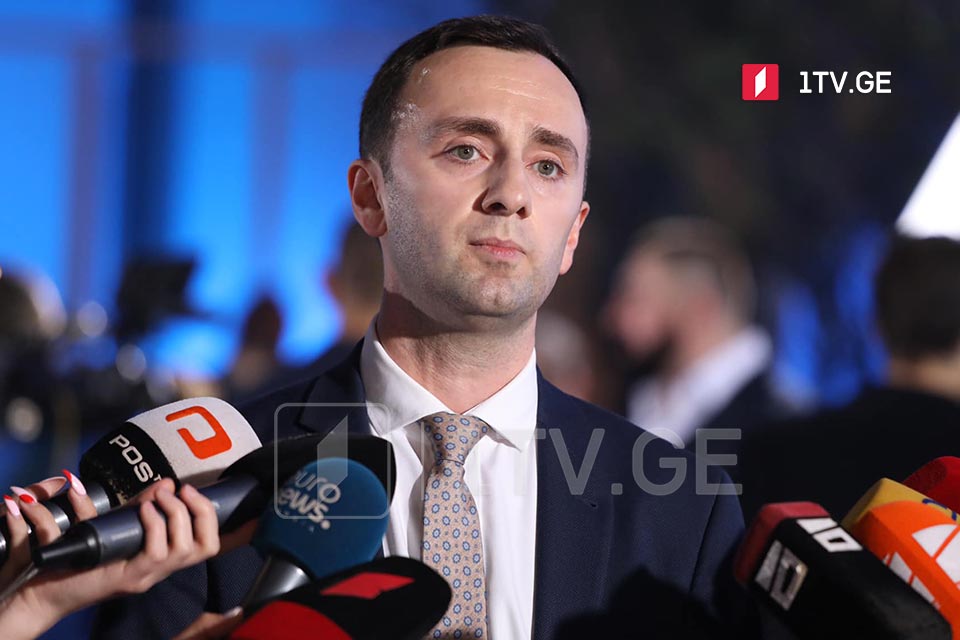
“We have been telling them for months that if they value the OSCE/ODIHR observation missions, they should respect their findings and observations. It would be preferable if they didn’t reach out directly to the Georgian government, but instead, to the Baltic states, and ask why they oppose these findings,” stated Levan Makhashvili, Chairman of the European Integration Committee of the Georgian Parliament.
According to Makhashvili, when the reputation of OSCE/ODIHR has been deliberately and systematically undermined for months, the Georgian government’s decisions should come as no surprise.
“We have reviewed the OSCE/ODIHR statement, and I believe they are missing the core issue. They are not addressing the real source of the problem. To put it plainly, this is the first time in twenty years that the OSCE/ODIHR’s conclusions have been outright dismissed and discarded as political trash. Therefore, our actions and decisions should not come as a shock. On the contrary, we find ourselves in a remarkable situation where the Georgian government defends its stance. For the past eight months, no one has voiced support for the OSCE/ODIHR’s conclusions.
We have engaged on numerous international platforms, with the OSCE itself attempting to defend its positions, yet not a single state or the European Union has publicly supported them. Having systematically and purposefully undermined the OSCE/ODIHR’s reputation over months, it is no surprise that we have chosen to refrain from inviting anyone. We see no value in doing so. We have been urging them for months: if you value the OSCE/ODIHR monitoring missions, respect their conclusions and observations. Since we have seen no such respect, it would be better if they directed their inquiries elsewhere—for example, to the Baltic states—and questioned why those countries oppose these conclusions. We have had numerous discussions, including in Portugal, about why certain parties opposed the presence of OSCE/ODIHR observers here. Ask them what internal debates and discussions they have had,” Makhashvili emphasised.
The OSCE/ODIHR recently issued a statement regarding the situation in Georgia, noting that “the Georgian authorities do not intend to invite the Office to observe the forthcoming local elections, a departure from Georgia’s longstanding and consistent practice over the past two decades.”