


Ministry of Agriculture pivots state support to modern orchards as non-standard apple subsidies end
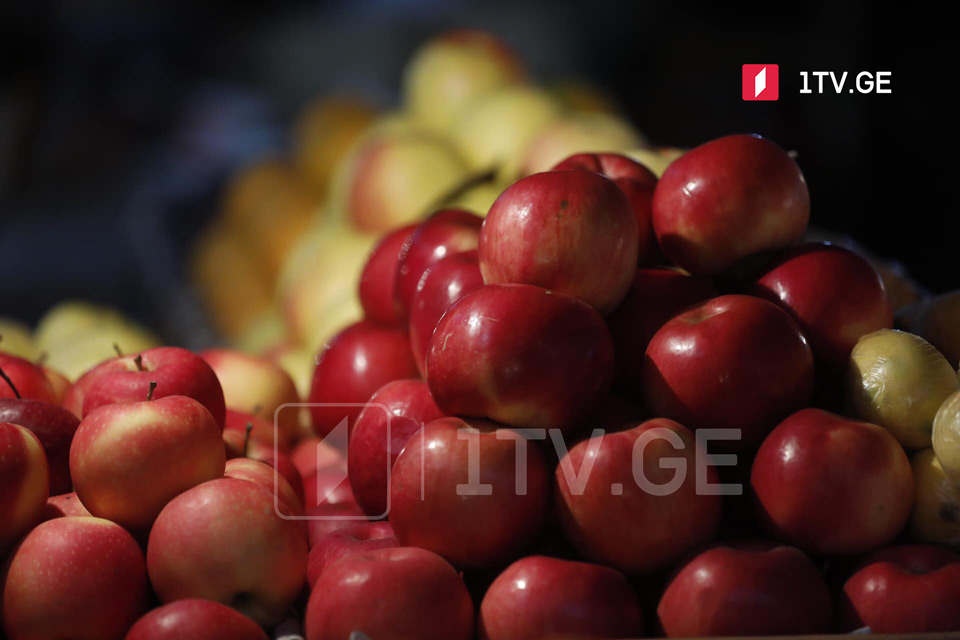
The Georgian government will discontinue state subsidies for purchasing sub-standard apples starting in 2026, according to a statement released by the Ministry of Environmental Protection and Agriculture.
The Ministry explained that continuing the subsidy scheme runs counter to the sector’s long-term development objectives and risks indirectly incentivising the continued cultivation of low-quality produce.
Instead of subsidising non-standard yields, state support will focus on establishing modern, intensive orchards and advancing high-quality agricultural production.
“A key prerequisite for this policy shift has been the expansion of intensive orchard cultivation across the country. Under the ‘Plant the Future’ initiative, approximately 2,600 hectares of high-density apple orchards have been cultivated in Georgia.
Furthermore, sub-standard apple subsidies inadvertently incentivised the retention of low-yield, ageing orchards, hampered the adoption of innovative technologies and modern agronomic practices, and heightened the risk of crop disease transmission.
Consequently, under the State Agricultural Co-financing Programme launched on 1 July 2026, the Ministry of Environmental Protection and Agriculture continues to support farmers in establishing modern orchards. The scheme provides co-financing covering 50% of the costs when planting new orchards. The programme also supports primary agricultural processing, including within the apple sector.
The cessation of subsidies does not imply an end to the procurement of non-standard apples. Following a meeting held on 1 September 2026 with apple concentrate manufacturers, processing companies confirmed their readiness to accept and process non-standard apples, with purchase prices to be determined according to prevailing market conditions,” the statement reads.