


MEPs release statement: Georgian Dream’s call for “dialogue” cannot mask attempt to ban opposition
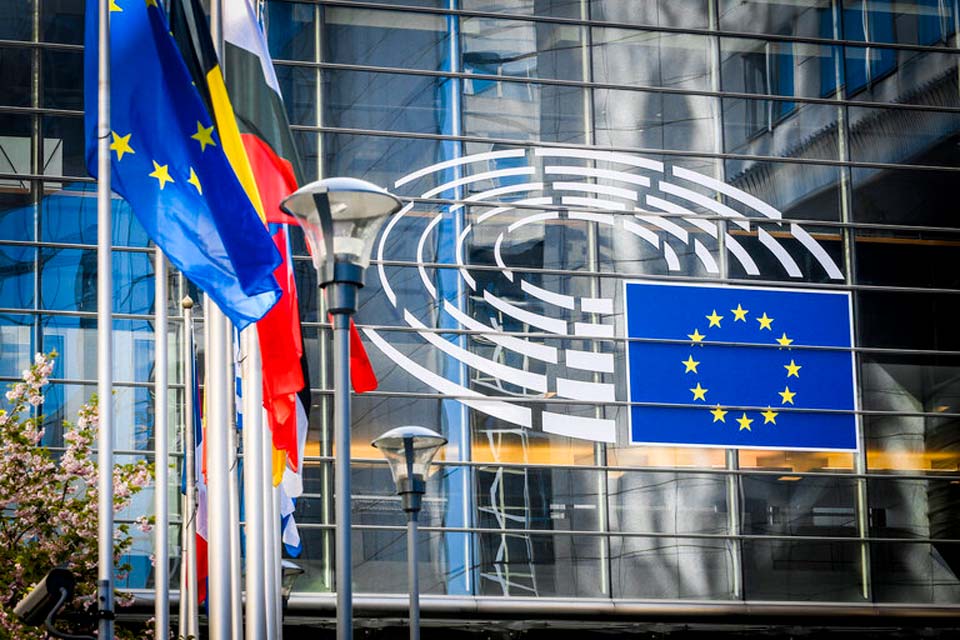
“Georgian Dream’s call for ‘dialogue’ cannot mask the attempt to ban the opposition,” is the title of the statement released by leading MEPs on attempts to ban opposition parties in Georgia.
The Chair of the Committee on Foreign Affairs David McAllister, the Chair of the Delegation for relations with the South Caucasus Nils Ušakovs, the European Parliament’s Standing Rapporteur for Georgia Rasa Juknevičienė issued the statement.
According to the statement, Europe has never closed dialogue with Georgia.
“We take note of Mr Kobakhidze’s call for a political dialogue with the European Union. Dialogue was never closed by Europe; it was emptied of meaning by Georgian Dream. In November 2024 the ruling party unilaterally suspended Georgia’s accession process, against its own Constitution and the will of its people. It then answered every recommendation from the EU institutions with new repressive laws, violence against peaceful protesters, and the imprisonment of opposition leaders and journalists. The European Parliament’s decision to limit formal contacts with the authorities was the consequence of these choices, not their cause. Our door has always remained open to the Georgian people, to civil society and to the democratic opposition. It will reopen to the authorities the day their actions, not their words, show a return to democracy, freedom and the European path,” reads the statement.
The MEPs believe that the timing of the proposal speaks for itself: It comes as the Constitutional Court opens hearings on Georgian Dream’s request to ban five opposition parties, including the last opposition party still represented in Parliament.
Based on the statement, a government that seeks to outlaw its political opponents cannot at the same time present itself as a credible partner for dialogue. This offer of political dialogue with the EU cannot be seen in any other way than a cover for dismantling political pluralism in Georgia.
“As the European Parliament stated in its resolution of 8 October 2026, we strongly condemn the attempts to ban opposition parties and call for the immediate withdrawal of the constitutional claim. Banning established political parties would mark a decisive step backwards towards a one-party system, following the examples of Russia and Belarus. It would move Georgia further away from the European Union and rule out any progress towards membership. To date, nothing has changed,” reads the statement.
The MEPs emphasize that the European Parliament’s position on relations with Georgia is clear and consistent.
“We stand with the Georgian people and their overwhelming support for a European future, which is enshrined in Georgia’s Constitution. We do not recognise the authorities that emerged from the flawed elections of October 2024. Any genuine re-engagement must be based on unconditional steps taken by the authorities:
the release of all political prisoners;
the repeal of the laws restricting civil society, independent media and political activity, including the restrictions that forced European political foundations to leave the country;
an end to the persecution of the opposition, journalists and activists;
a path to new, free and fair elections.
Until then, we call on the Council and the Member States to finally impose tangible consequences, including targeted sanctions under the EU Global Human Rights Sanctions Regime (so-called EU-Magnitsky Act) or other sanctions regime, on those responsible for human rights violations and Georgia’s democratic backsliding. If Mr Kobakhidze is serious about re-engaging in political dialogue with the EU, he knows where to start to prove it,” the statement reads.