


Green Hydrogen – Georgia’s Fresh Prospect
More and more nations are interested in green hydrogen, which is regarded as a fuel for the future.
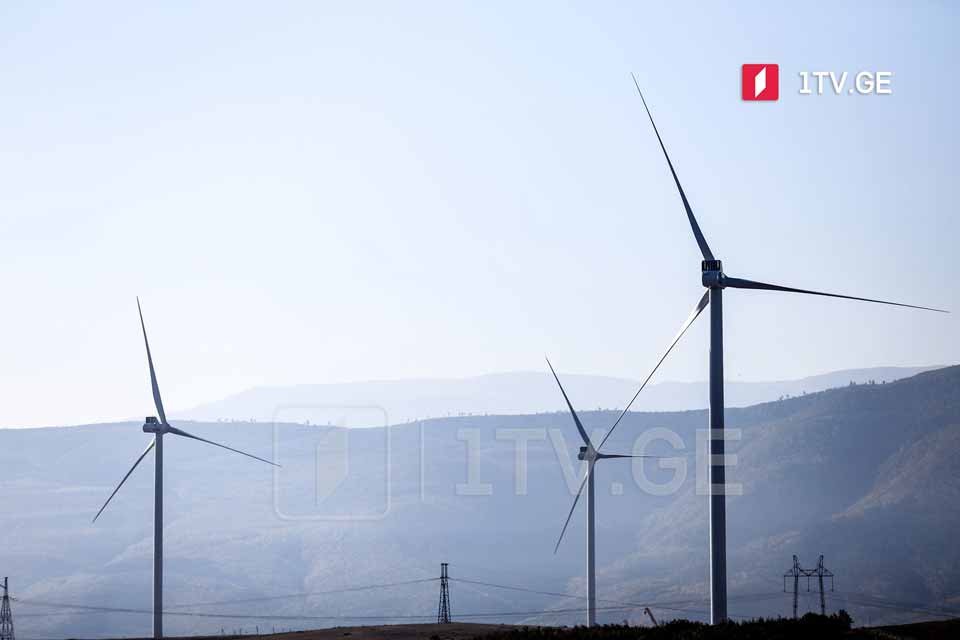
Georgia is no different as it takes the initial steps towards establishing a global presence. The reasoning is straightforward. Georgia has abundant renewable energy resources, including sun, wind, and hydropower, which may be used to make green hydrogen.
Georgia kicked off an innovative project to produce green hydrogen. Georgia’s Ministry of Economy and Sustainable Development, the Georgian Oil and Gas Corporation, Batumi City Hall, and the German Credit Institute for Reconstruction (KfW) have signed a relevant Memorandum of Cooperation.
“We will be the first in the region to launch this project.” The Georgian Gas and Oil Corporation’s General Director, Giorgi Chikovani, stated that a 6-7 megawatt power plant near Tbilisi was chosen over other options such as solar, wind, and hydropower due to its shorter construction time and lack of existing solar power projects in the country.
The agreement envisages the allocation of 1.3 million euros for the development of green hydrogen consumption and corresponding preparatory steps.
According to Bodo Schmülling, Director of Energy Sector Coordination South Caucasus, “Germany is attempting to assist Georgia in meeting its energy goals and plans, particularly in the areas of decarbonization and renewable energy development. Georgia has significant untapped potential for hydrogen generation. Germany is also interested in the generation of green hydrogen in European nations. Green hydrogen is the fuel of the future and a key component of decarbonization.”
More precisely, the Oil and Gas Corporation is in charge of churning out green hydrogen and constructing the associated infrastructure. Following the development of these resources, Batumi’s public transit should be replaced with a greener option. We are talking about green hydrogen-powered transportation, which will be financially backed by the German Reconstruction Credit Bank (KfW).
And, of course, simply launching a trial project is insufficient. Green hydrogen generation is a long-term topic that involves regulatory considerations. At the request of the Ministry of Economy and Sustainable Development, the Hydrogen Council was formed, which includes both local and foreign specialists. They are developing a green hydrogen development plan, which will result in changes and improvements to key legislation, as well as actions that will allow local and global investors to see and evaluate Georgia’s green hydrogen development potential.
Even though green hydrogen introduction into production is not financially profitable due to the cost, the private sector was actively involved in the process. Rustavi Azot, one of the largest producers of fertilizers and industrial chemical products in the Caucasus region, will be one of the first to use this technology
According to Levan Burdiladze, executive director of Indorama Caucasus, the green hydrogen production is costly, requiring an initial investment of tens of millions of dollars and additional fees for ongoing operations. “However, we believe that it should be done for ecological reasons. We should not fall behind the rest of the world in this regard.”
The journey is long and difficult, and decreasing the burden on the environment is an unavoidable requirement.
Georgia may “kill two birds in one stone” here: Creating green hydrogen decreases environmental impact. On the other side, transforming hydrogen energy into an opportunity on the path to energy independence.
Georgia does not have an excess of oil wells, but more than 26,000 rivers, wind, and solar energy are sufficient to provide renewable energy not only for domestic use but also for export.