


GNERC Chair: July blackouts could have been avoided with proper settings, and companies face fines
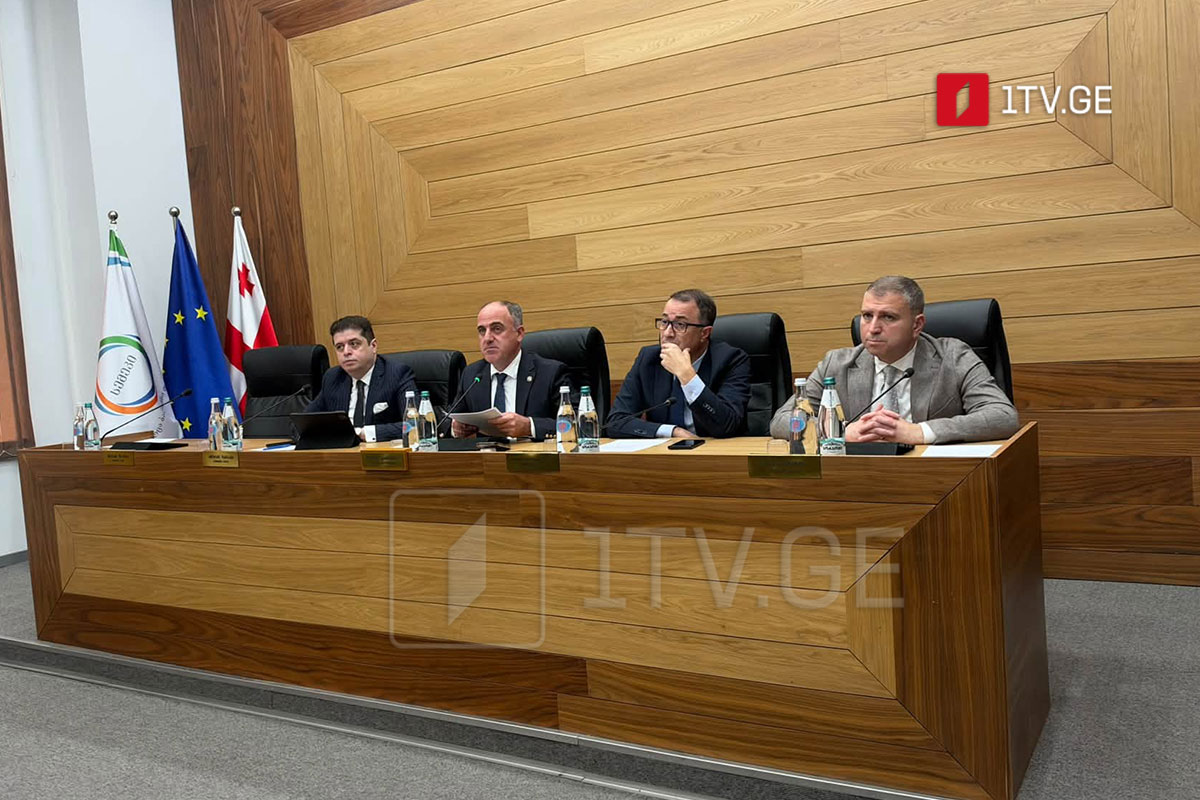
The Georgian National Energy and Water Supply Regulatory Commission (GNERC) meeting, which was due to discuss the major power outages across Georgia on 24–25 July, has been postponed.
GNERC Chair Davit Narmania said the working group’s findings will be sent to the affected parties and companies for their feedback. The commission will then complete its review within two weeks and take appropriate action, including possible sanctions against companies.
“The working group set up by the Regulatory Commission has completed its detailed investigation into the system failures of 24 and 25 July. The investigation assessed the compliance of transmission and generation facility operations with the grid code. The working group identified several deficiencies and breaches; consequently, its finalised findings will be dispatched to the affected parties, namely Georgian State Electrosystem, Khrami HPP, adjacent generation facilities, and Energo-Pro, so they may address the issues raised and provide feedback. Within two weeks of that, the Regulatory Commission will complete its review and take appropriate action, and as a result, the companies will be sanctioned,” Narmania said.
He stated that the issues detailed in the findings are more than sufficient for the commission to impose the maximum statutory penalty of GEL 75,000 per violation.
“There were two system failures, so sanctions will be imposed separately for each,” Narmania said.
According to Narmania, the working group believes the power failures on 24 and 25 July would have been prevented if crucial adjustments had been made in time.
“The automatic control systems and other technical control tools should also have been in working order. All of this is covered in considerable detail in the report that was submitted,” he said.
The GNERC chair noted that the commission is examining the companies’ compliance with the grid code and the technical side of the incident. Ruling on any criminal offence is outside the commission’s remit.
“The relevant agency looked into this. We are, of course, coordinating with the State Security Service, and we will see what conclusions they reach. The findings are, of course, a public document, and they too will be able to review them,” Narmania said.
Narmania added that the grid failure had also highlighted vulnerabilities in the control systems at the Enguri HPP.
“Of course, Enguri HPP brought in the relevant specialists, and the plant is still under observation. As is widely known, the Enguri Hydroelectric Power Plant (HPP) is set to launch a tender for supplementary equipment to fully upgrade and modernise its control systems. These works are therefore continuing, and Enguri HPP is not yet operating at full capacity. Water has been stored in the Enguri reservoir, and once the shortcomings are fixed, the plant’s output will be increased gradually.
The short circuit on the Geguti line then dragged Enguri HPP down with it. Of the control devices on Enguri HPP’s five generating units, only one worked properly. Our inspection found faults in the others, and the tender they have announced is aimed precisely at fixing them,” Narmania said.