Georgia confirmed as independent cradle of bread wheat, 8,000-year-old finds reveal

“Georgia is one of the oldest centres of innovative agriculture. As evidence, the scientific community recognises that soft wheat was already cultivated in Georgia 8,000 years ago,” said Davit Lortkipanidze, Director General of the Georgian National Museum.
According to him, Georgia stands as one of the oldest centres of innovative agriculture in the world.
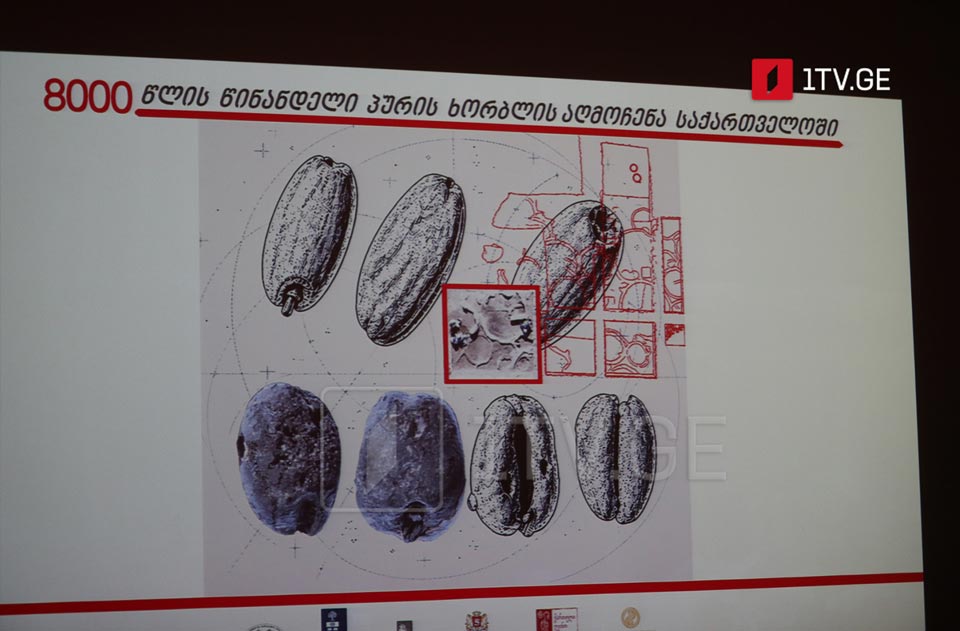
“Today, we presented the findings of research published in the Proceedings of the National Academy of Sciences of the United States. This study has demonstrated that traces of bread wheat, the very wheat from which our everyday bread is made, have been discovered in Georgia, dating back 8,000 years. We can now say with confidence that 8,000 years ago, our ancestors were already making wine and had already domesticated wheat. This is a momentous scientific discovery. Georgia once again finds itself on the scientific map as a place where genuine innovation in agriculture took root. Georgia is, without question, one of the oldest centres of pioneering agriculture. It is now widely accepted and recognised by the global scientific community that domesticated bread wheat existed in Georgia as far back as 8,000 years ago.
The Proceedings of the National Academy of Sciences is a journal of the very highest standing and carries enormous prestige. Responses are already coming in from leading experts, and this demonstrates that serious scientific research is being conducted in Georgia. The foundations for this work were laid in their time by a distinguished Georgian scholar, Dr Nana Rusishvili, a highly regarded palaeobotanist and one of the principal authors of this paper,” said David Lordkipanidze.
For context, the journal PNAS has published an article entitled “The South Caucasus, Georgia, as an Independent Centre of Bread Wheat Origin in the Neolithic Period.” The paper states that Georgia represents an independent and now documentarily confirmed, ancient centre of origin of bread wheat (Triticum aestivum).
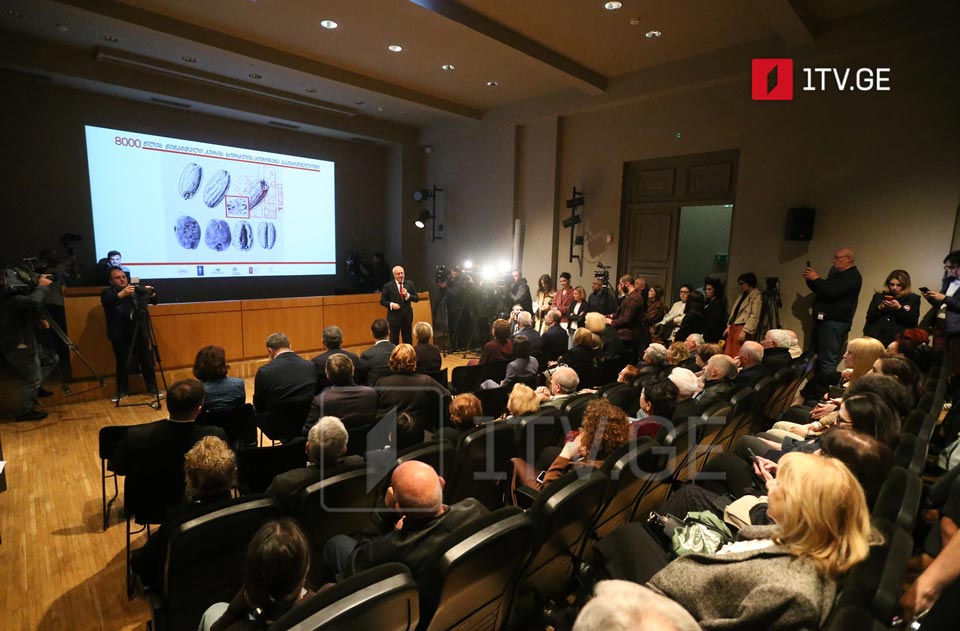
The study presentation was held at the Georgian National Museum and was attended by Minister of Culture Tinatin Rukhadze and Minister of Environmental Protection and Agriculture David Songhulashvili.