


EC spokesperson: I do not have details of Kulevi case, but I would imagine Russian oil was being re-exported to EU
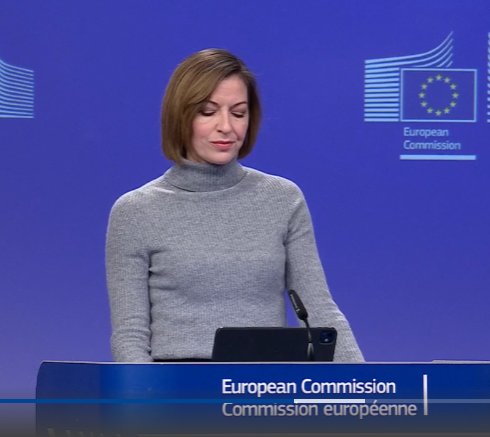
“The port of Kulevi had been identified because of its interactions with shadow fleet vessels visiting the port and concerns that it could be used for the re-export of Russian oil in breach of our sanctions. So, this is why the EU’s sanctions envoy had received the commitments from the Georgian authorities that activities which were of concern to the EU would cease,” European Commission spokeswoman Siobhan McGarry said in response to a question on the EU’s removal of the port of Kulevi from the sanctions list.
She said that the Georgian Foreign Minister had committed that no shadow fleet tanker would be allowed to enter the country’s ports. In addition, the EU has also received additional commitments from SOCAR.
“The Georgian Foreign Minister committed that no shadow fleet tanker would be permitted to call at its ports. We also received additional commitments from SOCAR, the state oil and gas company of Azerbaijan, that operates the port itself. So we, as with all sanctions and possible circumvention, monitor abherence to those commitments, and we will not shy away from taking any further measures if we see actors actively undermining the impact of our sanctions. As I said last week, the Georgian authorities have confirmed that they would cease these re-exports, and we continue to closely monitor that it is happening in practice,” she said.
In addition, when asked whether the re-export meant that Russian oil was entering the territory of Georgia and then being exported to the European Union, the spokesperson said: “I do not have the details of the case, but I would imagine that was what was happening, that the oil was being re-exported to the EU.”