Statement of GPB First Channel
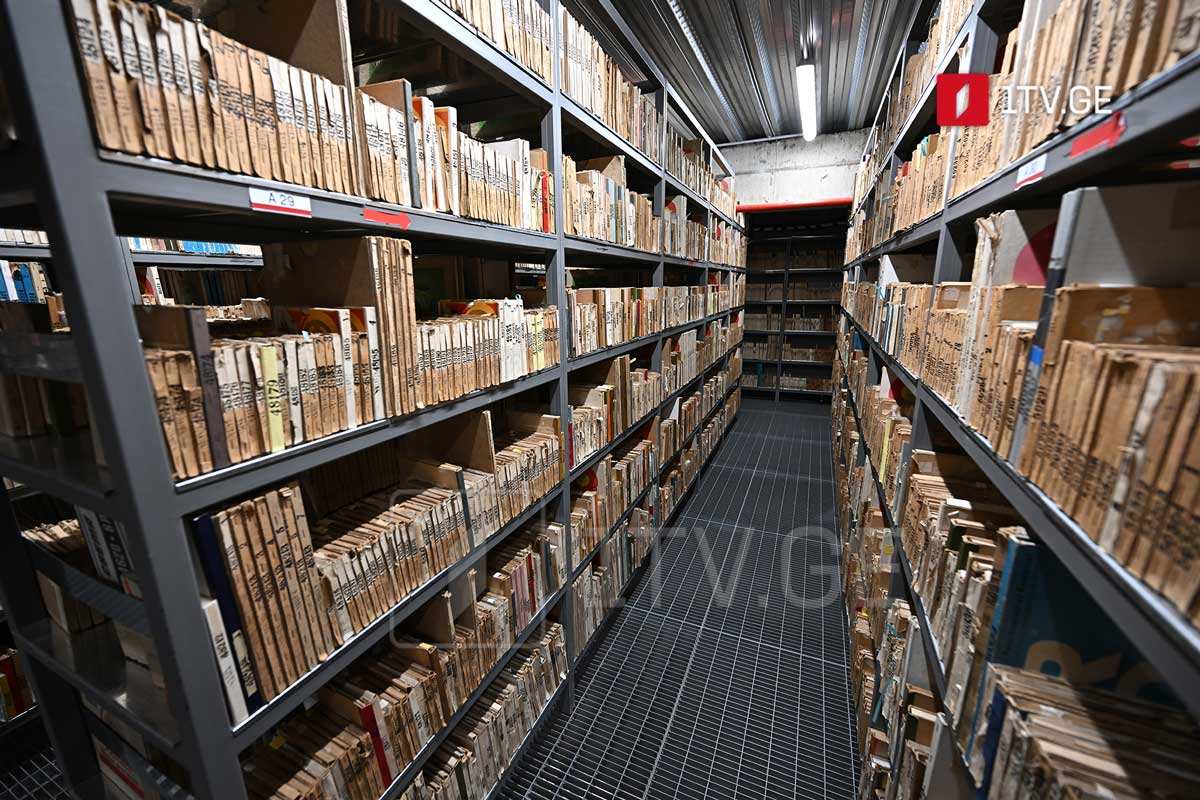
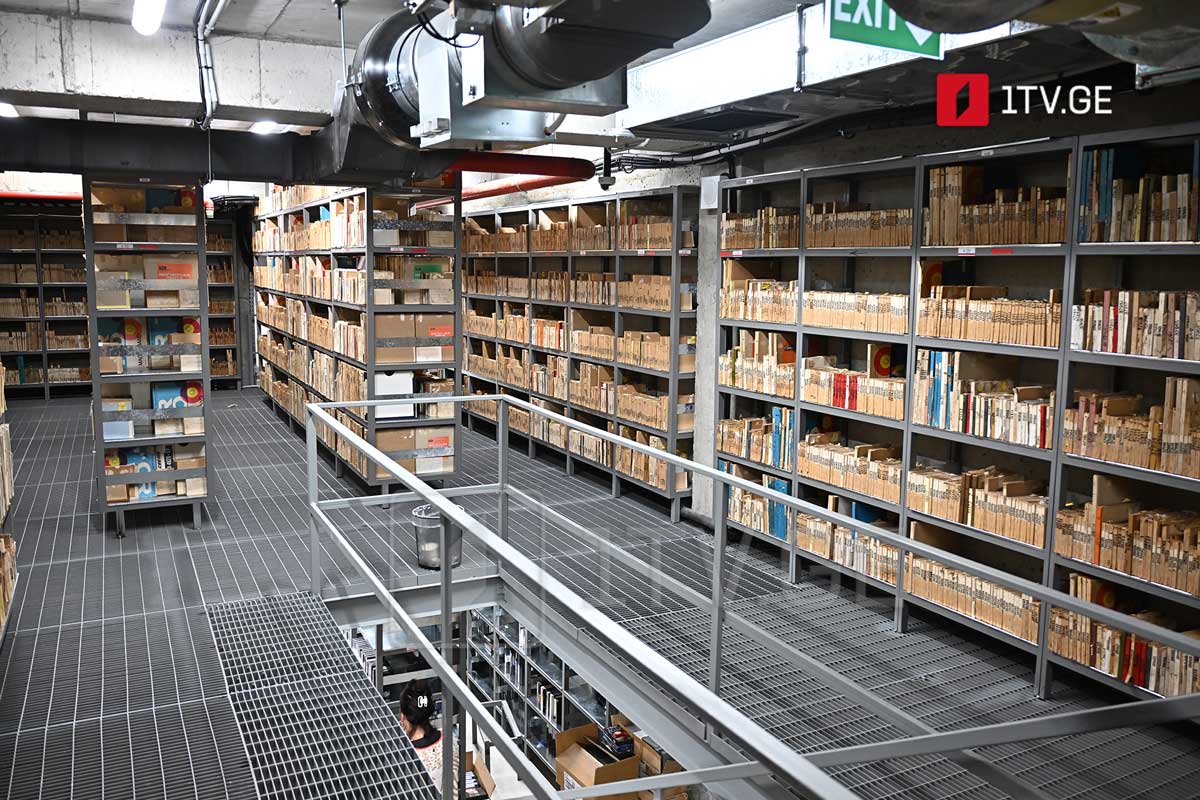
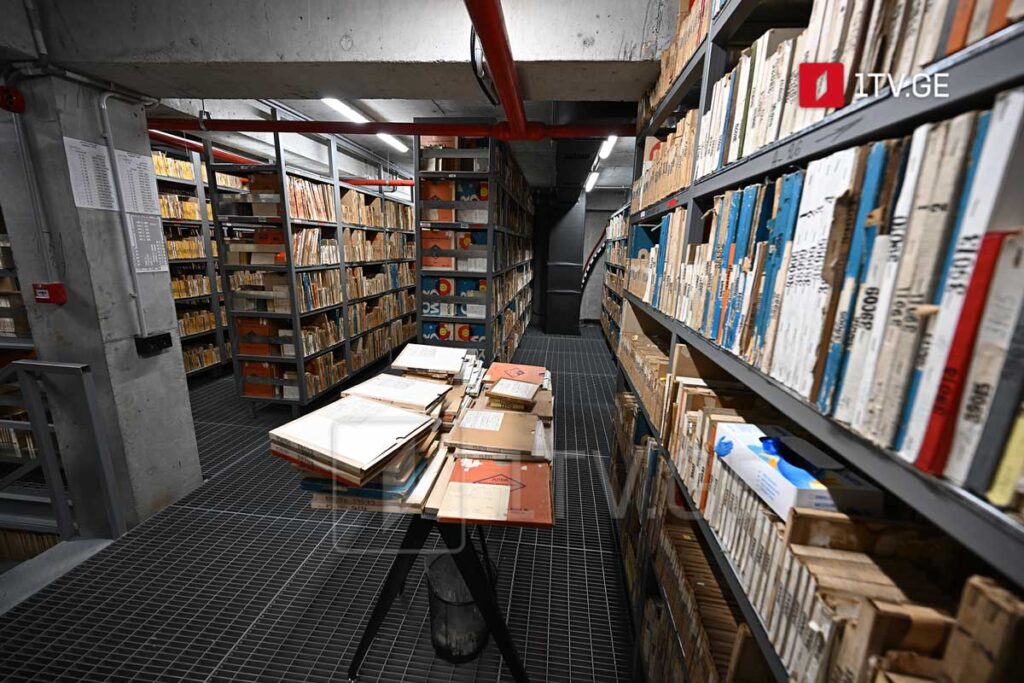
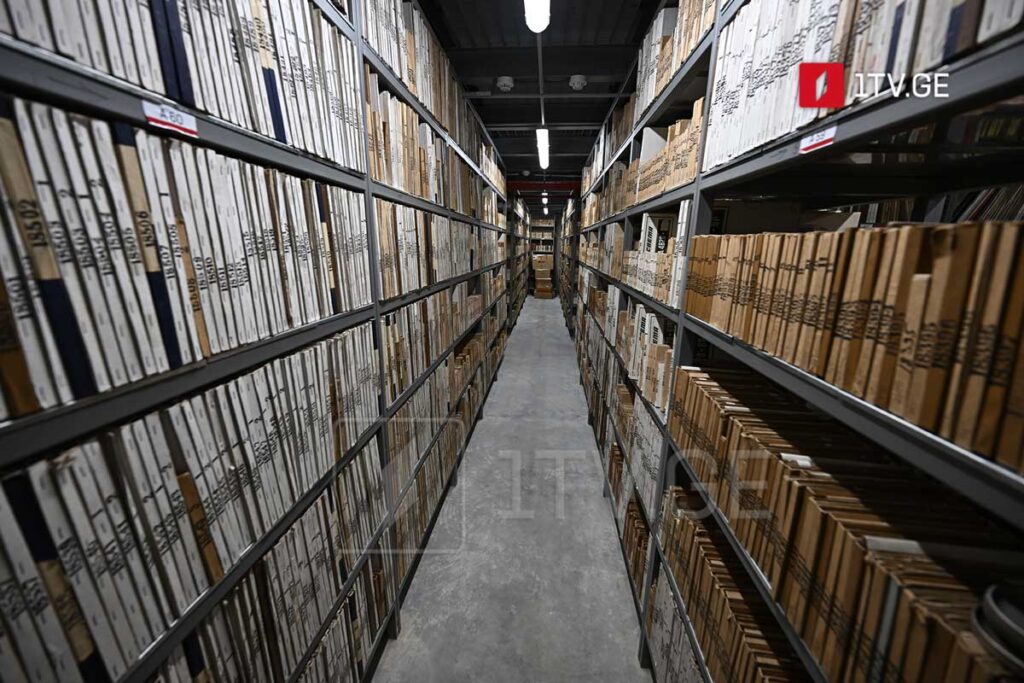
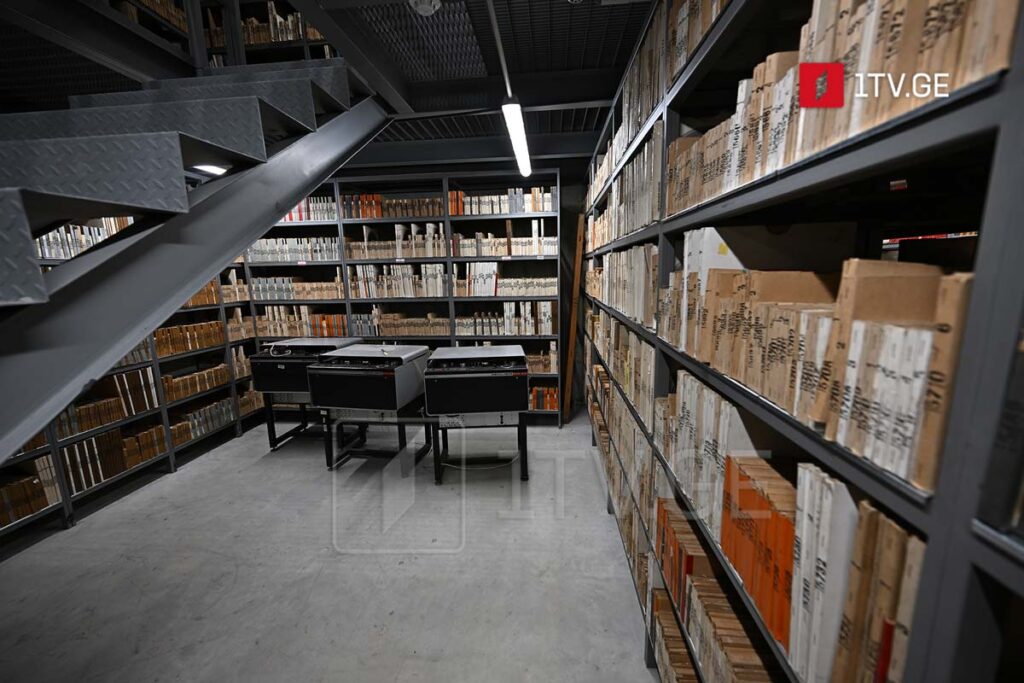
Incorrect and false information regarding the Georgian Public Broadcaster’s Archive has been circulated on social media intentionally. We would like to state clearly and with full responsibility that the Georgian television heritage, which reflects our country’s history, culture, and collective memory, is safeguarded, and the released photos do not represent the First Channel’s new archival storage facilities.
We fully aknowledge that the GPB’s Archive preserves Georgia’s voice and face, individuals who are not alive, events which changed the country and art on which generations were brought up. This legacy has reached us through the hard work of many people, and that is precisely why we clearly state to the public: Georgian television heritage is safeguarded, and we accept the responsibility of ensuring it is fully passed on to future generations.
Long, complex and consistent work has been done to fulfil this responsibility; a project of state significance has been implemented, the GPB’s Archive was allocated in the new premises, in a storage hall of modern technologies, while a significant part of Georgian cinema legacy was handed over to the Georgian National Archive.
A complex process preceded the result. In collaboration with the National Archive, the material was sorted, catalogized, documents were scientifically and technically processed and transfered to relevant storages. Specialists, who cared for thousands of materials, registered them and put them in place; they stand behind that. Overshadowing their hard work with false accusations is unjust and irresponsible.
Photos of materials left behind in the old building, which have already been disposed of, create the impression that they were taken in the First Channel’s new storage facilities and that Georgian television heritage is at risk of destruction.
The reality is the opposite; large-scale work was implemented as part of moving to the new building. Film materials produced by the Georgian television studio between 1957 and 1998, totalling approximately 27,000 canisters, have been transferred to the National Archives. These include 2,454 items shot on 16mm film by various editorial departments, as well as 1,663 items comprising feature, documentary, and musical films produced by “Georgian Telefilm” and stock footage shot on 35mm film.
Shelves from the old storage facility were transferred to the National Archives of Georgia specifically to house these materials, and the reports claiming they were sent for scrap are completely false.
We would also like to clarify for society what the materials remaining in the old building represent and explain the necessity of clearly distinguishing between Georgia’s archival heritage and other categories of materials located in the old film repository: The film archive housed 14,709 copies of films produced in Soviet republics and abroad, obtained through the all-Union television distribution system. The broadcaster has long since ceased to hold the relevant rights for their television broadcast. It is worth noting that, as a result of repeated screenings, the film reels were significantly worn out and damaged.
From this category, the National Archives selected and transferred 709 copies of Georgian films produced by the Georgian Film studio. The National Archives could not take the remaining materials, given their legal status and technical condition. Duplicates, worn-out tapes, and boxes were transferred to the purchasing company via auction.
We remind you that the building located at #68 Kostava Street is no longer in possession of the GPB, while these photos do not reflect the GPB First Channel’s new archival storage facilities or the condition of the archives housed there.
Presenting already sold, worn-out materials as evidence of destroyed television heritage constitutes a gross distortion of the facts.
Disseminating such information unjustifiably tarnished the reputation of the Public Broadcaster and disregards the efforts of the specialists who have carried out extensive work to preserve and organize archival heritage of great importance to the country.
The Public Broadcaster is accountable before each citizen. We are ready to provide interested stakeholders with full information regarding the work carried out and the archive storage conditions, and to answer questions using facts and relevant documentation.
GPB’s criticism should be based on truth. Misleading the public regarding the protection of the country’s cultural heritage is unacceptable and goes beyond the right to freedom of expression.
We urge disseminators of false information to immediately correct the accusations released in public space and provide society in the same space with facts-based, verified information; otherwise, it will be considered a disregard for the facts we have publicly presented.
The GPB will defend the reputation and professional dignity of all individuals who participated in this process. In the event of the dissemination of false accusations, the broadcaster will consider taking legal action provided by law.
Our archive represents our shared memory. Society must assess the efforts made to preserve it with truth. Misleading people in the name of this heritage is categorically unacceptable.