


Parliament Speaker: Opposition’s mutual accusations bolster legal arguments for our constitutional lawsuit
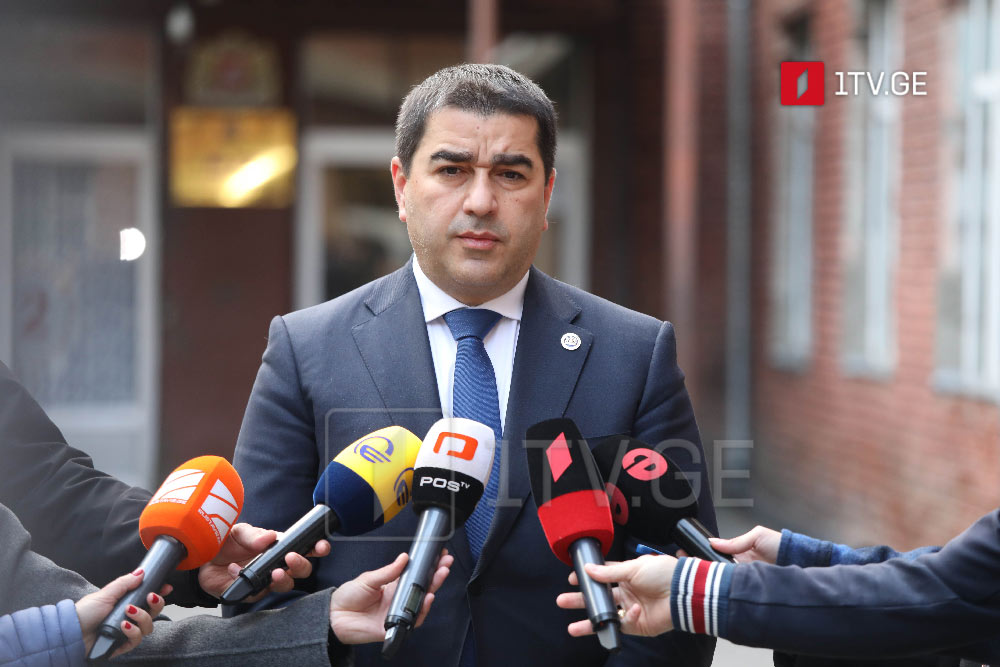
“The mutual accusations exchanged within the opposition are legally significant for our constitutional lawsuit and will further reinforce our arguments before the Constitutional Court,” Georgian Parliament Speaker Shalva Papuashvili told journalists in Brussels.
According to the Parliamentary Speaker, opposition factions are inadvertently validating everything the ruling Georgian Dream party has previously asserted.
“I hope this continues and even more accusations come to light, because with every allegation, the public receives confirmation of what we have been saying all along. Through their own admissions, they are confirming everything we stated. They admit to running campaigns with illicit money; they admit to receiving external funding; they admit to the scale of foreign interference. They admit they were acting as a single front—whether under 4, 5, 9, or 25, they were all the same. For us, these admissions matter on two fronts: legally, to bolster our arguments in the Constitutional Court, and socially, so the public can evaluate exactly who they are dealing with. These are the figures foreign forces are betting on; they view the Georgian people as mere followers of Gvaramia, Saakashvili, Khazaradze, and their like,” Papuashvili stated.
Asked whether 4 October marked a turning point following the opposition’s failed campaign, specifically regarding the clash between the Federalists and Lelo over election participation, Papuashvili dismissed claims of a split, insisting no genuine rift existed then or exists now.
The Speaker argued that the opposition’s attempt to overthrow the government had failed, leaving ordinary supporters to face imprisonment.
“On 4 October, they operated a unified campaign, at the ballot box in the morning and on Rustaveli Avenue in the evening, extending their tentacles across both fronts. So there was no rift or clash then, and certainly none now. Their attempt to overthrow the government collapsed, abandoning people to face long prison sentences.
Now they face backlash from those supporters whom they abandoned in prison; abandoned both by them and their foreign patrons. They led these individuals onto the barricades, incited them to commit crimes against their homeland, and then left them behind bars. Naturally, they are under intense pressure from those imprisoned, while party leaders remain in high spirits, denying themselves nothing. Those people are in prison precisely because of the leaders’ actions. First and foremost, these parties committed a crime against the people now behind bars.
The only thing these leaders should be doing now is urging these individuals to admit their guilt, cooperate with the investigation, and pursue plea bargains to mitigate the judicial sentences resulting from these parties’ wrongdoing,” Papuashvili concluded.