


Parliament adopts new edition of Election Code in first reading
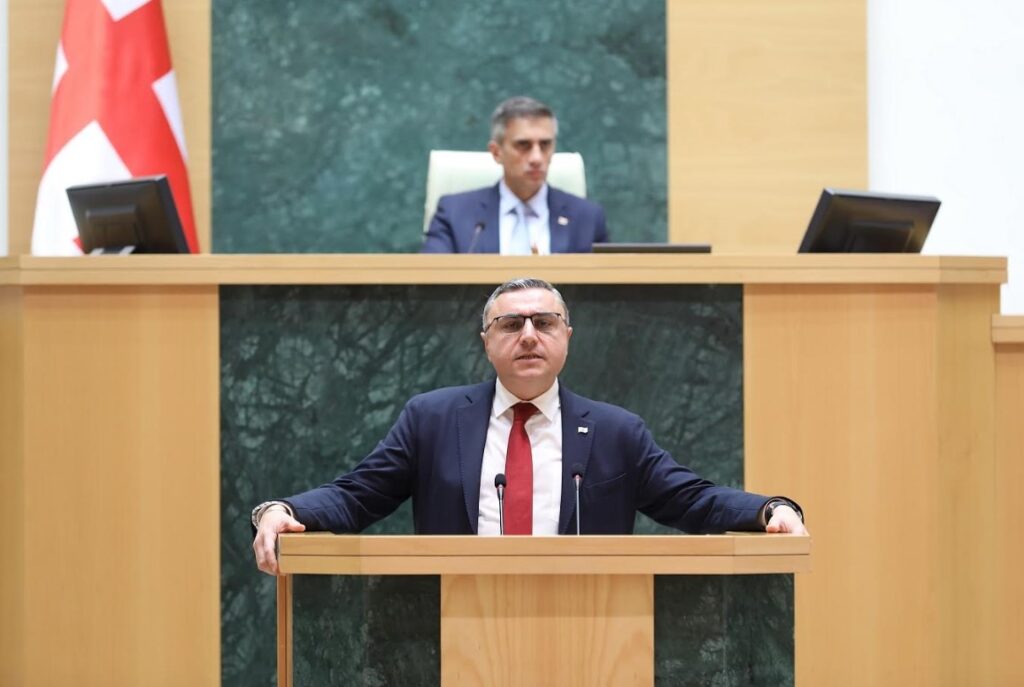
The Georgian Parliament has adopted the new edition of the “Election Code of Georgia” in the first reading with 76 votes in favor and 9 against, the Parliament reported.
The updated legislation introduces several substantive and technical amendments. According to the draft:
- Definitions of various terms, including those related to elections and referendums/plebiscites held within Georgia’s borders, are clarified.
- To strengthen personal data protection, rules for photo and video recording are refined.
- The chairperson of the relevant election commission will be authorized to issue an order to leave a complaint unexamined when legal grounds justify such a decision.
- Legal grounds for cooperation between state bodies and the election administration are established to support the effective organization of elections.
The order of the district election commission chairperson is added to the list of legal acts of the election administration. The draft also introduces changes to ensure the smooth staffing of district and precinct election commissions during election periods. This includes adjustments related to the incompatibility of positions and labour relations of election administration officials. Norms regulating the summary of voting results are unified, and procedures for indicating vote percentages in summary protocols are clarified.
Additionally, the rules for electing or appointing election commission members are revised. Under the new regulation, individuals with prior convictions—regardless of the type of punishment—will be ineligible to serve as commission members.
The main text of the Code now specifies rules for voters whose registration has been removed, invalidated, lacks an address, or who are registered abroad. The draft also changes the rules for voters residing in another country: as with municipal elections, parliamentary elections will henceforth be held only within Georgia’s state borders.
According to Davit Matikashvili, Chair of the Committee on Procedural Issues and rapporteur of the bill, this change aims to encourage emigrants to travel to Georgia to participate in elections.
“The purpose of this provision is precisely to ensure that emigrants return to their homeland on election day and share the responsibility for this important moment affecting the country’s sovereignty, governance for the next four years, and the formation of the government,” Matikashvili said.
Other amendments include revised procedures for eviction from buildings on election day to ensure smooth voting operations, rules for forming precinct election commissions as special groups, and conditions under which portable ballot box votes must be submitted to the district election commission for a decision. The terms for appointing members of precinct commissions created in exceptional circumstances are also modified, and candidate registration procedures are simplified.
Matikashvili noted that since the adoption of the Election Code in 2011, nearly 100 amendments and additions have been introduced.
“Given modern challenges, it is necessary to revise the organic law, unify similar norms, establish specific regulations in transitional provisions, and reflect key issues of principle in the law,” he added.