


Iranian Ambassador summoned to Georgian Foreign Ministry: Tbilisi warns accredited diplomats to respect mandate
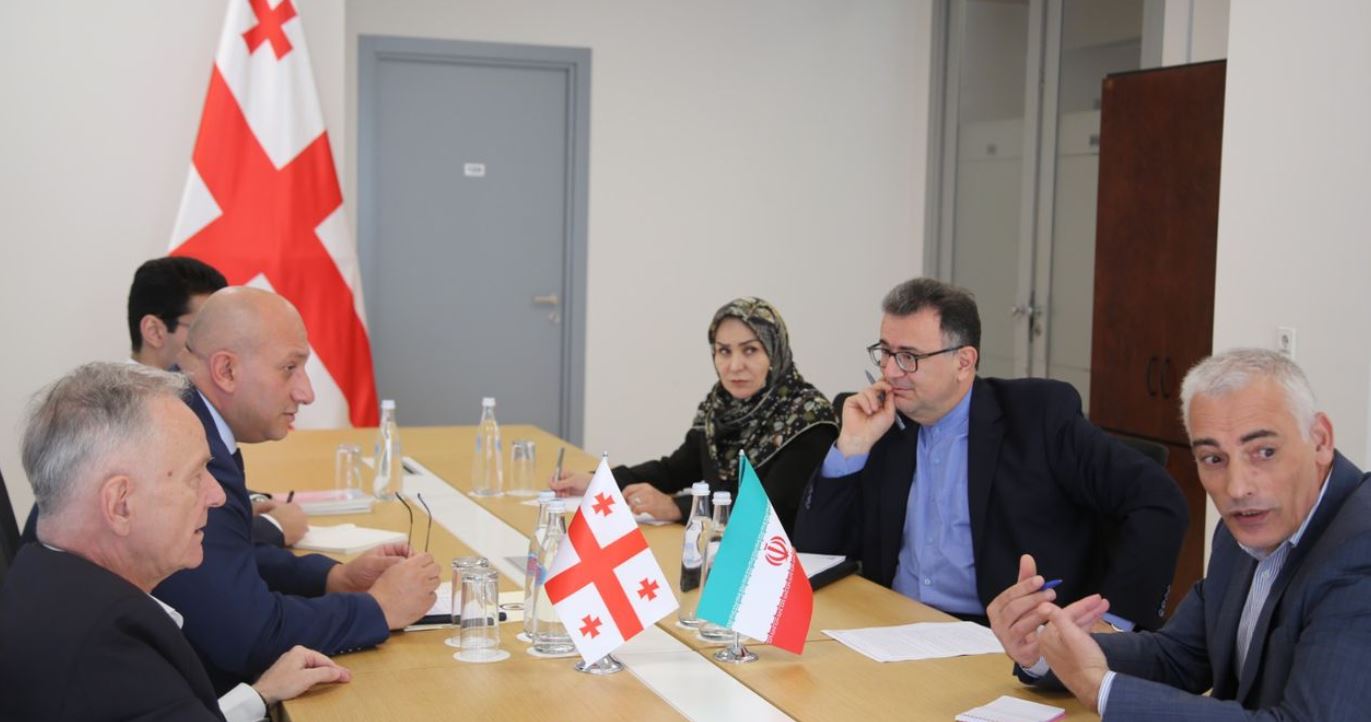
“On 30 September 2026, the Ministry of Foreign Affairs of Georgia summoned the Ambassador Extraordinary and Plenipotentiary of the Islamic Republic of Iran, Seyed Ali Moujani, following controversial statements published on social media,” an official statement reads.
Deputy Foreign Minister Aleksandre Khvtisiashvili informed the Iranian envoy that his social media activity overstepped the boundaries of standard diplomatic practice.
The deputy minister noted that such public remarks negatively affect public sentiment and expressed the expectation that the Iranian side would take appropriate measures to prevent any recurrence, thereby avoiding the need for further action by Georgian authorities.
Khvtisiashvili reiterated that diplomats accredited to Georgia must operate strictly within their diplomatic mandate and competence, observe established diplomatic protocols, and refrain from interpreting the host nation’s history and internal affairs.
The summoning follows a post published on Ambassador Ali Moujani’s official Facebook page, which read:
“An image of Queen Ketevan on the facade of the Iranian Embassy in Tbilisi. This evening, the facade of the Embassy of the Islamic Republic of Iran in Tbilisi was illuminated with a sacred image of Queen Ketevan. For me, this image is not merely a tribute to a historical figure; it symbolises a shared historical memory that continues to inspire diverse narratives today. I will shortly share with readers on this page the initial findings of my research regarding Queen Ketevan, drawing on historical documents and primary sources preserved in both Iran and Georgia. The material presented will neither constitute an official line nor claim to offer the definitive word on Queen Ketevan; rather, it represents a historian’s personal perspective and interim assessment. Naturally, this assessment should be expanded, analysed, critically reviewed, or refined in future based on further sources and joint research by Georgian and Iranian scholars. Re-evaluating such historical narratives may serve less as a retreat into the past than as a means to foster deeper mutual understanding today.”