


Cystic fibrosis drug Trikafta arrives in Georgia under state funding scheme
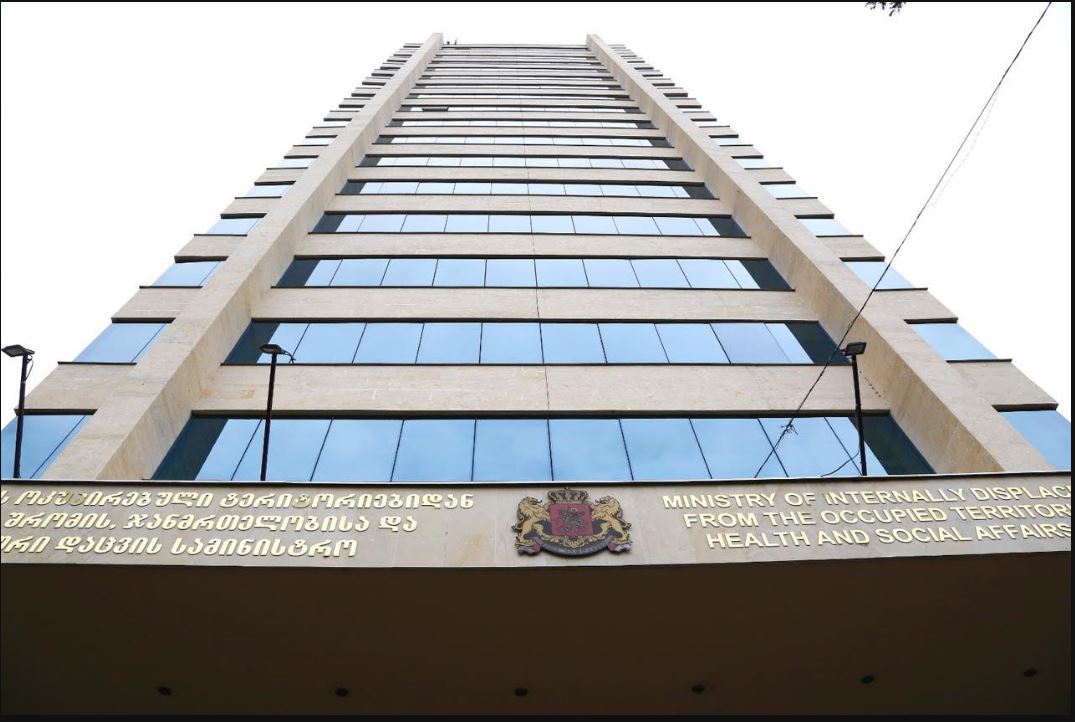
Trikafta, a high-cost, innovative drug used to treat the progressive genetic condition cystic fibrosis, has arrived in Georgia, with distribution to eligible patients expected to begin within days under a fully funded state programme.
According to the Ministry of Health, integrating Trikafta into the national healthcare programme marks a transformative step for individuals living with cystic fibrosis in Georgia. By targeting the disease’s underlying genetic cause, the drug improves lung function, reduces acute flare-ups, and lowers hospital admission risks, significantly extending life expectancy and quality of life.
Patients eligible for the treatment have already begun pre-therapy medical evaluations. Clinicians are currently assessing patient baseline health and treatment readiness to ensure safe administration and plan ongoing medical monitoring.
Cystic fibrosis is a progressive inherited condition that primarily damages the lungs and digestive system. Characterised by recurrent respiratory infections, it frequently leads to severe decline in lung function over time. The burden of continuous medical management and disease complications heavily impacts daily living, underscoring the critical need for advanced targeted therapies.
Health Minister Mikheil Sarjveladze personally informed patients and their families a month ago that a procurement contract had been finalised directly with the manufacturer.
The medication is approved for patients aged two and older who possess specific genetic mutations endorsed by the US Food and Drug Administration (FDA) and the European Medicines Agency (EMA). Around 110 individuals are currently registered with a cystic fibrosis diagnosis in Georgia, approximately 60 of whom carry the targeted genetic mutation required for Trikafta therapy.
The Ministry of Health has progressively expanded state coverage for cystic fibrosis in recent years, in close consultation with medical specialists, patients, and advocacy groups. In 2025, the state healthcare scheme was broadened to include specialised inhaled medications, antibiotics, and nutritional supplements alongside increased funding for inpatient care.